What Does Office Move Insurance Cover?
- theoliverbrown639
- 20 hours ago
- 7 min read
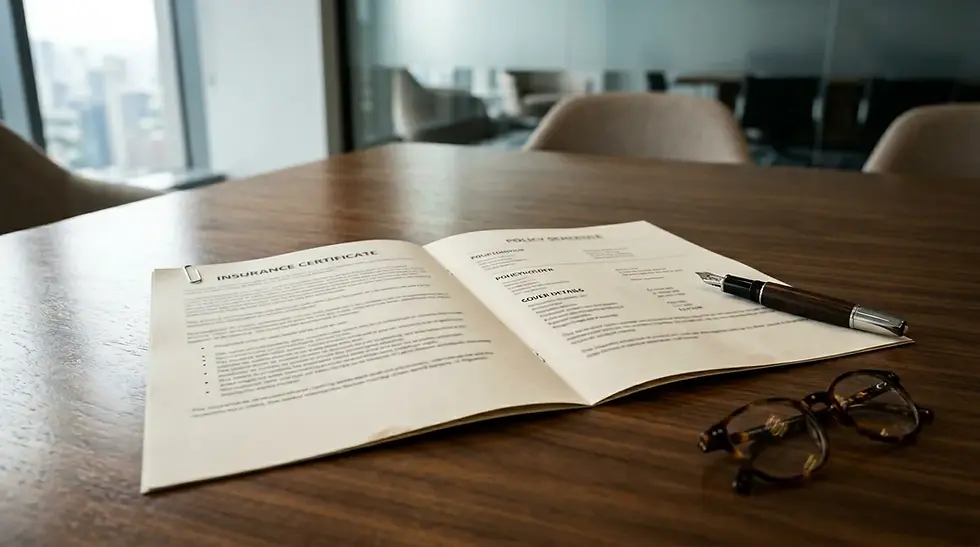
Moving your business to a new office is a big deal. There's furniture to shift, computers to transport, files to pack, and a whole lot of expensive equipment that needs to arrive in one piece. But here's something many business owners don't think about until it's too late. What happens if something gets damaged or lost along the way?
That's exactly where office move insurance comes in. Whether you're using removal services in the UK or a local crew, the right cover can save you from a very costly headache. This guide explains what office move insurance typically covers, what it doesn't, and what you need to know before your moving day.
What Is Office Move Insurance?
Office move insurance is a type of cover that protects your business belongings during a commercial relocation. It can be arranged through your removal company, your existing business insurer, or a specialist provider.
It's worth knowing that there's no single "office move insurance" product. Instead, cover usually comes from a combination of policies most commonly goods-in-transit insurance, public liability insurance, and employer's liability insurance. Understanding how these work together is key to making sure you're properly protected.
What Does Office Move Insurance Cover?
Goods in Transit
This is the most important element of office move cover. Goods-in-transit insurance protects your business belongings while they are being transported from one location to another.
Most reputable removal companies in the UK include this as part of their service. It typically covers:
Damage caused by the removal team's negligence (for example, dropping equipment or knocking furniture) Loss of items from the vehicle, including theft Damage caused by a road accident during transit Fire or flood damage while goods are in the vehicle.
However, there's an important catch. Goods-in-transit insurance only applies while your items are actually in the removal vehicle. Any damage that happens before loading or after unloading falls outside the scope of this cover. So if a desk is scratched while being carried down the stairs at your old office, that may not be included.
Damage by Breakage
Good-quality commercial removal policies will include cover for accidental breakage. This means that if a monitor screen cracks, a chair leg snaps, or a printer is dropped during the move, you may be able to make a claim. Always check the policy wording carefully, as some lower-cost policies only cover total loss rather than individual breakages.
Fire, Storm, and Theft
Most office move insurance policies cover items against fire and storm damage, as well as theft during transit. Some policies also extend fire cover to items held in temporary storage during the relocation period.
Public Liability
If the removal team causes damage to your building, your new premises, or to a third party during the move, public liability insurance covers the costs. For example, if a crew member from a local removal experts in Enfield accidentally breaks a window at your new office, public liability would cover the repair bill.
Employer's Liability
If you have employees who are helping with the move even in a small way such as packing boxes, employer's liability insurance is a legal requirement in the UK. It protects your business if a member of staff is injured during the move and makes a claim against you. This cover is compulsory under UK law for most businesses with one or more employees.
Business Interruption (Optional)
Some office move insurance packages can include business interruption cover. This kicks in if the move causes unexpected downtime and you lose income as a result. It's not always included as standard, but it's worth considering if your business would suffer financially from even a short period of disruption.
What Is Not Covered?
Just as important as knowing what's included is knowing what isn't. Common exclusions in office move insurance policies include:
Items you packed yourself. This is one of the most common issues people run into. If you or your team packed the boxes rather than the removal company, many policies will not cover internal damage to those items. The insurer has no way to verify how the items were packed, so they exclude this risk. If you plan to pack anything yourself, check your policy carefully beforehand.
High-value or specialist items. Office equipment such as servers, specialist machinery, or high-value electronics may have individual item limits under a standard policy. If a single item is worth more than the policy limit per item, you won't be fully compensated. You may need to declare these separately or arrange additional cover.
Pre-existing damage. If an item was already damaged before the move, your insurer will not cover it. This is why it's a good idea to document the condition of your equipment with photos before the move begins.
Natural disasters. Damage caused by severe weather such as flooding or storms is often excluded from standard transit policies, though some specialist policies do include it.
Items left unattended. If equipment is left in an unattended vehicle overnight and stolen, some policies may not cover this. Always check the terms around unattended vehicles.
Damage after unloading. Once items have been delivered and unloaded at your new premises, the goods-in-transit element of the policy no longer applies. If damage is discovered after the removal team has left, it can be harder to make a successful claim.
Does My Existing Business Insurance Cover an Office Move?
This is a question many business owners ask and the answer is: it depends.
Some commercial property and contents insurance policies include a degree of cover for items temporarily away from your premises. However, standard business insurance is not designed with a full office relocation in mind. There are often low limits, exclusions for items in transit, and conditions that must be met for the cover to apply.
Before your move, contact your existing insurer and ask them directly what's covered during the relocation period. Ask specifically about:
Items in transit between offices
Items in temporary storage
Any gap in cover between leaving your old premises and occupying the new one
Don't assume you're covered, always get confirmation in writing.
Removal Company Insurance vs Specialist Insurance
Most professional office removal services in Enfield and across the UK carry their own goods-in-transit insurance. The level of cover varies, but reputable firms often offer protection up to £50,000 or more. However, this is not the same as taking out your own specialist policy.
The main difference is who the policy protects. The removal company's insurance primarily protects their own liability meaning they are covered if they are found to be negligent. To make a claim, you may need to prove that the damage was their fault, which isn't always straightforward.
A specialist office move insurance policy taken out in your own name gives you broader protection and makes the claims process simpler for you as the business owner.
If you choose to rely on the removal company's insurance, always ask:
What is the maximum claim limit per item?
What is the total maximum claim for the entire move?
Does the policy require proof of negligence to make a claim?
Are there any exclusions for fragile or high-value items?
Practical Tips Before Your Office Move
Getting the right insurance in place is only part of the picture. Here are a few steps that will also help protect your business during a move:
Create a full inventory. List every item being moved, including a description and estimated value. This makes the claims process much easier if something goes wrong.
Photograph everything. Take clear photos of all equipment before it's packed. This helps prove the condition of items before the move and supports any claim you might need to make.
Declare high-value items. If you have any particularly valuable equipment, tell your removal company and your insurer in advance. Some items need to be listed separately to be fully covered.
Check your new premises' security. Your existing business insurer may have requirements around the security of your premises. Moving to a new office may mean your current policy terms no longer apply until you confirm the new location meets their standards.
Use a reputable removal company. Whether you're using office removal services in Enfield or anywhere else in the country, look for firms that are members of the British Association of Removers (BAR) or the National Guild of Removers and Storers (NGRS). Membership of these organisations means the company meets industry standards and carries adequate insurance.
Final Thoughts
An office move is one of the busiest and most disruptive things your business can go through. The last thing you want is to arrive at your new premises and discover that an expensive piece of equipment has been damaged and that you're not fully covered.
Office move insurance is not a one-size-fits-all product. The right level of cover depends on the value of your equipment, how the move is being managed, and whether you're packing items yourself or leaving it to the professionals.
Take the time to read your existing policies, speak to your insurer before the move, and if necessary, arrange specialist cover. Whether you're working with a local removal company in Enfield or a larger nationwide provider, a few phone calls made in advance could save your business a significant amount of money.
Frequently Asked Questions
There is no law requiring specific office move insurance. However, if any employees are involved in the move, even just carrying boxes, employer liability insurance is legally compulsory in the UK. Beyond that, cover is strongly recommended. One damaged server or lost batch of equipment could cost your business far more than a policy ever would.
Q. What happens if the removal company damages my equipment?
You can make a claim, but it is not always straightforward. The removal company's insurance covers their liability, so you may need to prove the damage was their fault. Payouts are also often capped per item or per job, which may not cover the full replacement value. Always ask about claim limits before you book, and consider taking out your own specialist policy for added protection.
Q. Is my equipment covered during loading and unloading, or only in the van?
Standard goods-in-transit insurance covers items while they are inside the removal vehicle. Loading and unloading at either end is a common grey area, some policies include it, many do not. Check your policy wording carefully and ask your insurer to confirm before moving day.
Q. I'm packing some boxes myself. Will my insurance still be valid?
Possibly not for internal damage. If you pack a box and something inside breaks, most insurers will not pay out as they cannot verify how the items were packed. If the box itself is visibly damaged from the outside, a claim may still hold. Let the removal company pack anything fragile or valuable to keep your cover intact.
Q. How much does office move insurance cost in the UK?
There is no fixed price, it depends on the total value of items being moved, the distance, and the level of cover chosen. The best approach is to get quotes from both the removal company and an independent specialist insurer and compare what's actually included, not just the price.
Comments